
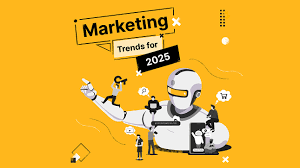
The Future of Digital Marketing Trends in 2025
As we step deeper into the digital era, 2025 marks a transformative year for marketing. The landscape is evolving rapidly, driven by advancements in artificial intelligence, changing consumer behavior, and stricter data privacy regulations. Digital marketing is no longer just about visibility—it’s about relevance, personalization, and ethical engagement. Businesses that adapt to these shifts will thrive, while those clinging to outdated tactics risk falling behind.
One of the most defining trends in 2025 is the rise of AI-powered personalization. Artificial intelligence now plays a central role in analyzing user behavior, predicting preferences, and delivering hyper-targeted content. From dynamic website experiences to personalized email campaigns, AI enables marketers to speak directly to individual needs at scale. Tools like ChatGPT and Google Gemini are being used not just for content creation, but for crafting entire customer journeys that feel intuitive and human. This level of personalization boosts engagement, loyalty, and conversion rates, making it a cornerstone of modern strategy.
Another major shift is the dominance of zero-click content. With search engines like Google offering direct answers on results pages, users often get what they need without clicking through to websites. This means marketers must optimize content not just for ranking, but for visibility within featured snippets, knowledge panels, and voice search results. The goal is to provide value instantly, positioning the brand as a trusted source even if the user never visits the site.
First-party data has become the gold standard in 2025. As third-party cookies phase out and privacy laws tighten globally, brands are focusing on collecting data directly from users through subscriptions, surveys, loyalty programs, and gated content. This shift empowers businesses to build deeper relationships with their audience while respecting privacy. It also encourages transparency and trust, which are increasingly important to consumers.
Voice and visual search are reshaping SEO strategies. With the widespread use of smart speakers and image-based search tools, users are interacting with content in new ways. Marketers must now optimize for conversational queries and ensure that images are tagged and structured properly for search engines. This includes using alt text, schema markup, and even creating content specifically designed for voice assistants. The rise of visual platforms like Pinterest and TikTok also means that visual storytelling is more critical than ever.
Conversational marketing is thriving thanks to chatbots, messaging apps, and AI-driven assistants. Customers expect real-time responses and personalized interactions, whether they’re browsing a product or asking a question. Brands are integrating chat features across websites and social platforms to offer seamless support and engagement. These tools not only improve customer experience but also collect valuable insights that inform future campaigns.
Connected TV (CTV) advertising is another game-changer. As streaming platforms continue to dominate entertainment, marketers are shifting ad budgets toward CTV to reach audiences in a more targeted and engaging way. Unlike traditional TV ads, CTV allows for precise demographic targeting, interactive formats, and measurable results. This trend is especially popular among younger viewers who prefer on-demand content over scheduled programming.
In 2025, sustainability messaging is no longer optional—it’s expected. Consumers are increasingly choosing brands that align with their values, especially around environmental and social responsibility. Digital marketing campaigns now highlight ethical sourcing, carbon neutrality, and community impact. Authentic storytelling and transparency are key, as audiences can quickly spot greenwashing. Brands that genuinely commit to sustainability build stronger emotional connections and long-term loyalty.
Social commerce continues to rise, blurring the lines between content and shopping. Platforms like Instagram, Facebook, and TikTok offer integrated shopping experiences where users can discover, explore, and purchase without leaving the app. Influencer marketing plays a vital role here, as trusted creators showcase products in relatable, engaging ways. The convenience and immediacy of social commerce make it a powerful tool for driving sales and brand awareness.
Short-form video content remains king. With attention spans shrinking and mobile usage rising, platforms like TikTok, Instagram Reels, and YouTube Shorts dominate user engagement. Brands are investing in snackable, entertaining videos that deliver value quickly—whether it’s a tutorial, behind-the-scenes look, or product demo. These formats are ideal for storytelling, virality, and building brand personality.
Augmented reality (AR) is becoming more mainstream in digital marketing. From virtual try-ons to immersive product experiences, AR allows users to interact with brands in innovative ways. Retail, real estate, and fashion industries are leading the charge, offering tools that let customers visualize products in their own space. This not only enhances engagement but also reduces purchase hesitation.
Influencer marketing is evolving toward authenticity and niche appeal. While mega influencers still have reach, micro and nano influencers are gaining traction due to their high engagement and trustworthiness. Brands are partnering with creators who genuinely align with their values and audience, resulting in more meaningful and effective campaigns. Long-term collaborations are replacing one-off promotions, emphasizing relationship-building over quick wins.
Data-driven decision-making is at the heart of every successful campaign. Marketers in 2025 rely heavily on analytics to understand what works, what doesn’t, and where to invest. Real-time dashboards, predictive analytics, and AI-powered insights help optimize performance across channels. This approach ensures that strategies are agile, efficient, and aligned with business goals.
Privacy and ethics are central to digital marketing conversations. With growing concerns around data misuse and algorithmic bias, brands are prioritizing transparency, consent, and fairness. Ethical marketing practices not only protect users but also enhance brand reputation. Companies that respect user rights and communicate openly are more likely to earn trust and loyalty.
In conclusion, digital marketing in 2025 is smarter, faster, and more human. It’s driven by technology but grounded in empathy and ethics. Success lies in understanding your audience deeply, leveraging data responsibly, and delivering value through personalized, engaging experiences. As the digital world continues to evolve, marketers must stay curious, adaptable, and committed to building genuine connections. The future isn’t just digital—it’s meaningful.
.