
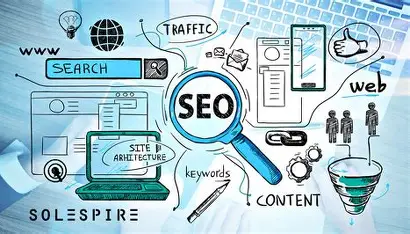
Search Engine Optimization in 2025: Strategies for Top Ranking
Search Engine Optimization (SEO) in 2025 is no longer just about keywords and backlinks—it’s a sophisticated blend of artificial intelligence, user experience, and ethical data practices. As search engines evolve, so do the rules of visibility. Businesses aiming for top rankings must adapt to a landscape shaped by AI-powered search, zero-click results, and multimodal queries. The SEO game has changed, and those who embrace the future will lead it.
One of the most transformative developments in SEO is the rise of AI-driven search results. Google’s AI Overviews (AIOs), introduced in 2024, now appear in a significant portion of search queries, especially in industries like tech, health, and finance. These AI-generated summaries pull content from multiple sources and present answers directly on the results page. For SEO professionals, this means optimizing for visibility within AI summaries—not just traditional blue links. Structured data, clear headings, and authoritative content are key to being cited in these overviews.
Zero-click searches are another defining trend. Users increasingly get answers from featured snippets, knowledge panels, and “People Also Ask” boxes without clicking through to websites. While this reduces traffic, it increases the importance of being the source of those answers. To rank in these spaces, content must be concise, well-structured, and semantically rich. FAQ sections, schema markup, and conversational formatting help search engines extract relevant information.
Voice and conversational search are reshaping keyword strategies. With smart assistants like Alexa and Google Assistant becoming ubiquitous, queries are now more natural and question-based. Instead of typing “best running shoes,” users ask, “What are the best running shoes for flat feet?” SEO in 2025 requires targeting long-tail, intent-driven keywords and crafting content that mimics human conversation. FAQ pages, blog posts, and product descriptions should be optimized for voice search using tools like AnswerThePublic and schema markup.
User experience (UX) has become a ranking factor in its own right. Google’s algorithms now prioritize websites that load quickly, are mobile-friendly, and offer intuitive navigation. Core Web Vitals—metrics like Largest Contentful Paint (LCP), First Input Delay (FID), and Cumulative Layout Shift (CLS)—are critical to SEO success. In 2025, businesses must invest in responsive design, fast hosting, and clean code to ensure their sites meet these standards.
First-hand experience and authenticity are gaining importance. Google’s emphasis on E-E-A-T (Experience, Expertise, Authoritativeness, Trustworthiness) means that content written by real experts with lived experience ranks higher. This shift favors brands that showcase their team’s credentials, include author bios, and cite credible sources. User-generated content, testimonials, and case studies also help build trust and authority.
Multimodal search optimization is the next frontier. Search engines now process text, images, and voice simultaneously, requiring content to be accessible across formats. Websites must include alt text for images, transcriptions for videos, and metadata for audio files. Visual search tools like Google Lens and Pinterest Lens are driving traffic through image recognition, making image SEO more important than ever.
Video content is dominating the SERPs. Platforms like YouTube, TikTok, and Instagram Reels are not just social—they’re search engines in their own right. Google often features video results for informational queries, especially tutorials and reviews. To rank in video search, businesses should create high-quality, keyword-optimized videos with clear titles, descriptions, and timestamps. Hosting videos on your own site can also boost SEO by increasing dwell time and engagement.
Local SEO remains vital, especially for small businesses. In 2025, Google’s local algorithms prioritize proximity, relevance, and reputation. Optimizing your Google Business Profile, collecting reviews, and using location-specific keywords are essential. Hosting locally relevant content—like event announcements or neighborhood guides—can improve visibility in local packs and maps.
Technical SEO continues to be the backbone of search performance. Clean site architecture, crawlability, and indexability are non-negotiable. XML sitemaps, robots.txt files, and canonical tags must be properly configured. In 2025, technical SEO also includes optimizing for AI crawlers that interpret context and intent. Structured data, semantic HTML, and natural language processing (NLP) are key to helping search engines understand your content.
Data privacy and ethical SEO are now central to strategy. With stricter regulations like GDPR and India’s Digital Personal Data Protection Act, websites must handle user data responsibly. Consent-based tracking, transparent privacy policies, and secure data storage are not just legal requirements—they’re ranking signals. Ethical SEO also means avoiding manipulative tactics like keyword stuffing or cloaking, which can lead to penalties.
Search diversification is on the rise. While Google remains dominant, alternative platforms like Bing, DuckDuckGo, and AI-powered engines like Perplexity and ChatGPT are gaining traction. Businesses must optimize for multiple search environments, tailoring content to each platform’s algorithms and user behavior. This includes adapting metadata, formatting, and keyword strategies to suit different engines.
AI-powered SEO tools are revolutionizing workflows. Platforms like Clearscope, Surfer SEO, and MarketMuse analyze top-ranking pages to suggest content improvements, keyword clusters, and ideal word counts. These tools help marketers create context-rich content that aligns with user intent. However, over-reliance on automation can lead to generic output. The best results come from blending AI insights with human creativity.
Content freshness and update frequency are more important than ever. Search engines favor websites that regularly update their content to reflect current information. Evergreen articles should be revisited and revised, while news-based content must be timely and accurate. A consistent publishing schedule signals authority and relevance, boosting rankings over time.
Mobile-first indexing is now the default. Google primarily uses the mobile version of a site for indexing and ranking. In 2025, businesses must ensure that their mobile experience is seamless, with responsive design, fast loading, and intuitive navigation. AMP (Accelerated Mobile Pages) may still play a role, but user experience is the ultimate priority.
Search intent segmentation is a strategic advantage. Understanding whether a query is informational, navigational, transactional, or commercial helps tailor content to meet user needs. Tools like SEMrush and Ahrefs offer intent analysis features that guide keyword selection and content structure. Matching content to intent improves relevance and conversion rates.
In conclusion, SEO in 2025 is a multidimensional discipline that blends technology, psychology, and ethics. To achieve top rankings, businesses must go beyond traditional tactics and embrace a holistic approach. This includes optimizing for AI summaries, voice search, and multimodal inputs; enhancing user experience and technical performance; and maintaining transparency and authenticity. The future of SEO is not just about visibility—it’s about meaningful engagement and sustainable growth.